


RPA makes retail chain OFM future-proof

5,300+ hours of time saved per year

20+ processes automated

4+ departments are using RPA
Retail businesses operate in an unprecedented competitive environment. Any activity that runs more efficiently quickly creates competitive advantage. Johan Koetje, CFO of clothing chain OFM, is therefore deploying software robots to improve financial and logistics processes in particular. People get more enjoyable work as a result.
As CFO at OFM, Johan Koetje is responsible for finance, as well as HR and ICT. The latter is broad, from logistics to IT infrastructure. Whereas before he took office three years ago, the focus was mainly on hardware and the server farm, there has been a clear trend to pay more attention to applications. Technology is also more broadly embedded in the organization.
Capabilities of RPA
Robotic Process Automation (RPA) is a technology par excellencen technology to deploy many applications more efficiently. Koetje: “Bt my previous employer I had already been introduced to the possibilities of RPA, and Tacstone as its supplier. I saw a lot of potential in it, given the many repetitive activities within the divisions of the company.”
He took this idea to clothing company OFM. “When I started at OFM, we immediately explored the possibilities of RPA. We initially looked at the finance department, such as the possibility of automating accounts payable. There were a lot of repetitive processes in that department, and once we had a clear picture of that, we started talking to Tacstone about using software robots in that area.”
Culture change within the team
An essential part of this process was involving the entire team in these changes early on. “People are often reluctant, wanting to stick to familiar practices in their field. That can lead to an ‘insular culture,’ so breaking that culture and keeping individual employees well informed is crucial.”
Most important in this, according to Johan, is to emphasize that automation is not meant to replace jobs, but to enable employees to do more in the same amount of time and add value to the company. “We repeated this message regularly. And over time, employees then begin to see the potential.”
Greater efficiency and quality through RPA
About his own role in the technical field, he says, “This means we provide tools to automate processes. I make sure our ‘pipeline’ stays filled by discussing with colleagues which processes are eligible to be automated.”
This depends in part on the cost and the expected savings or benefits, which Koetje said need not always be financial. “It can also be about quality improvement within a department. Take, for example, checking bank account numbers. Such a check, performed by a robot, is very simple but can prevent major problems, such as accidentally transferring payments to the wrong accounts. If a problem is imminent, the person responsible receives a notification from the robot.”
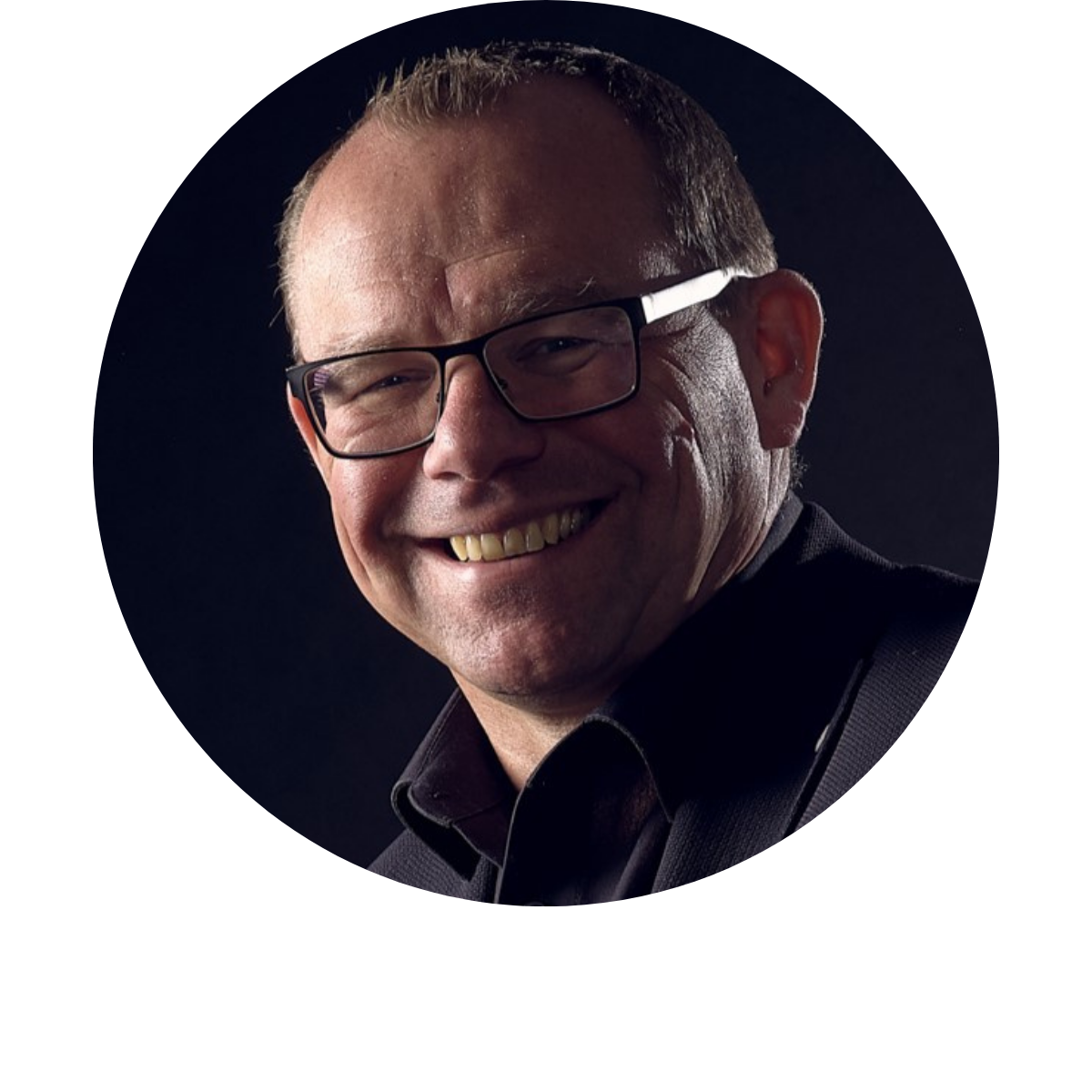
“My goal is to get people to do their jobs in a positive way. I see myself more as a facilitator who provides the resources and opportunities to do their job well.”
Johan Koetje | CFO OFM
The robots are at work 24/7
At OFM, two robots now run 24 hours a day, seven days a week, working on more than 20 processes. “And I estimate there are at least 20 more processes in the queue.” At the moment, it mainly involves processes within the finance department, one in logistics, and recently in the marketing department.
Among other things, the robots take care of financial “hygiene” and the so-called deletion of suspense accounts. “We have several suspense accounts linked to payment systems, so payments are spread across several ledgers. Those have to be reconciled, and duplicate entries removed from the system. Someone used to do this manually, which was very time-consuming. Now we have automated this process with a robot. As a result, we have a much better overview than before.”
Robots as a link in future-proof business processes
In finance, for example, a robot also looks at accounts receivable checks and checks bank account numbers. In addition, on the logistics front, the process of requisitioning items from the stores comes into play.
“The advantage is that a robot is never sick, we mainly have to make sure that our processes are streamlined enough to keep them running smoothly at all times. I see the robot as the lifeblood of our processes. Robots are helping to future-proof our business model, especially within our industry, retail. As an entrepreneur, you want to prepare for the future, responding to market trends such as sustainability. If we still want to be relevant in 10 years, we need to optimize, digitize and robotize our processes.”
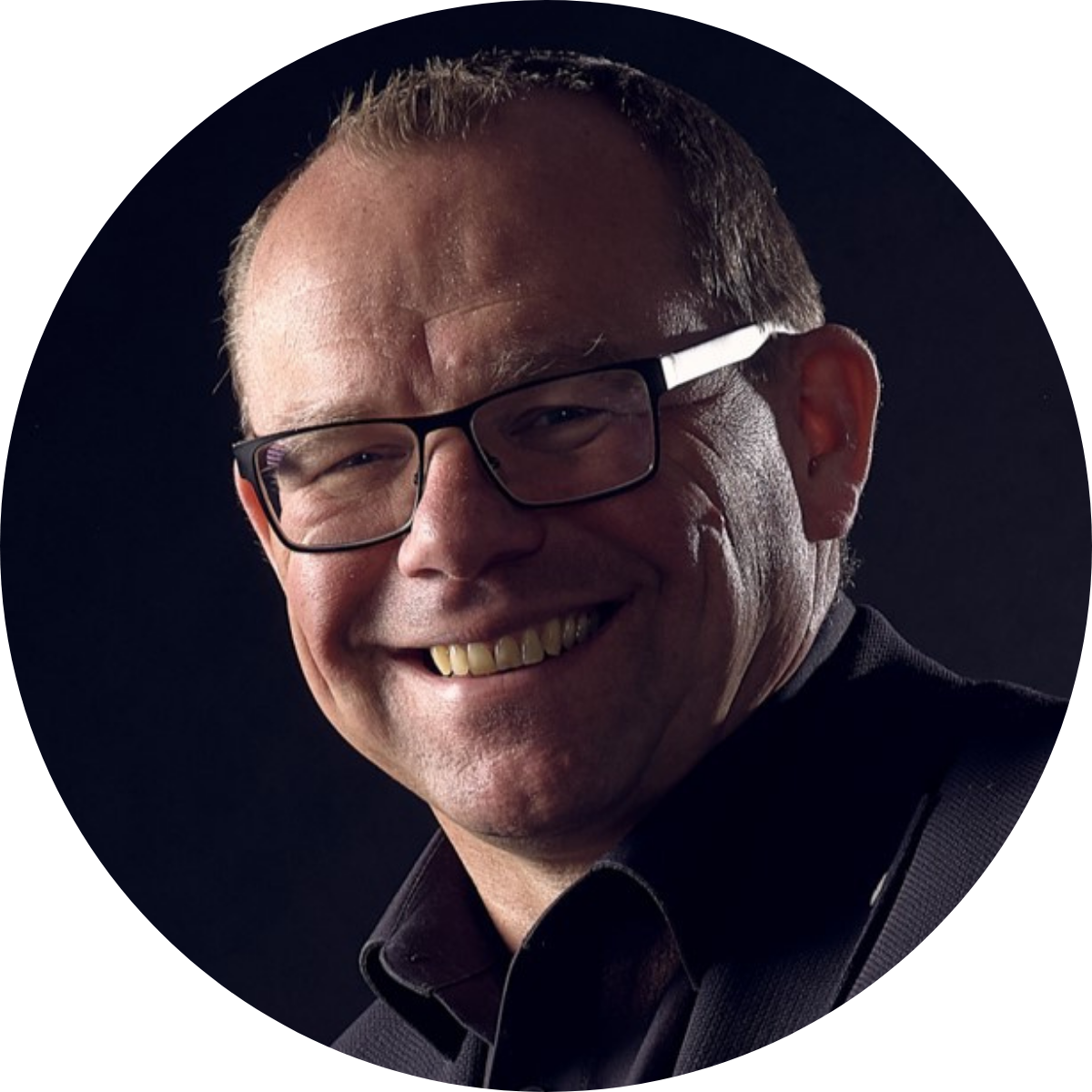
“Now that the robot is operational, employees are used to it. There is actually only panic now when the robot does not function for a while, because then they see how much work the robot takes out of their hands. Employees do not see it as a threat to their jobs, but as a tool. In fact, they now proactively contribute to improving and expanding the processes performed by the robots.”
Johan Koetje | CFO OFM


